sound
Sound Operator
Higher Occupational Certificate: Sound Operator
- 18 months · full time
- NQF 5 · 145 credits
- QCTO accredited · EISA national exam
- 400 h workplace block
from R3 400 / month · R66 000 total

The studio-first media academy
Train in sound, film, television and radio inside the spaces where the work actually happens.
2027 intake — applications open
PAS Media Academy is Bloemfontein’s accredited media production school. Every programme is built around doing: recording, broadcasting, shooting, editing and producing in real studios.
Enter the campus ↘

Nationally recognised NQF 5 occupational certificates with transparent fees and direct pathways into the creative industries.
sound
Higher Occupational Certificate: Sound Operator
from R3 400 / month · R66 000 total
film
Higher Occupational Certificate: Video, Film and Multimedia Practitioner
from R3 400 / month · R66 000 total
radio
Higher Occupational Certificate: Radio and Multimedia Content Practitioner
from R3 400 / month · R66 000 total
Audio Connectors Quiz. Match XLR, TRS, TS, RCA and Speakon connectors to their correct signals and uses. Level one is open to everyone — no account, no cost, no catch. It is the same trainer our first-year students use.
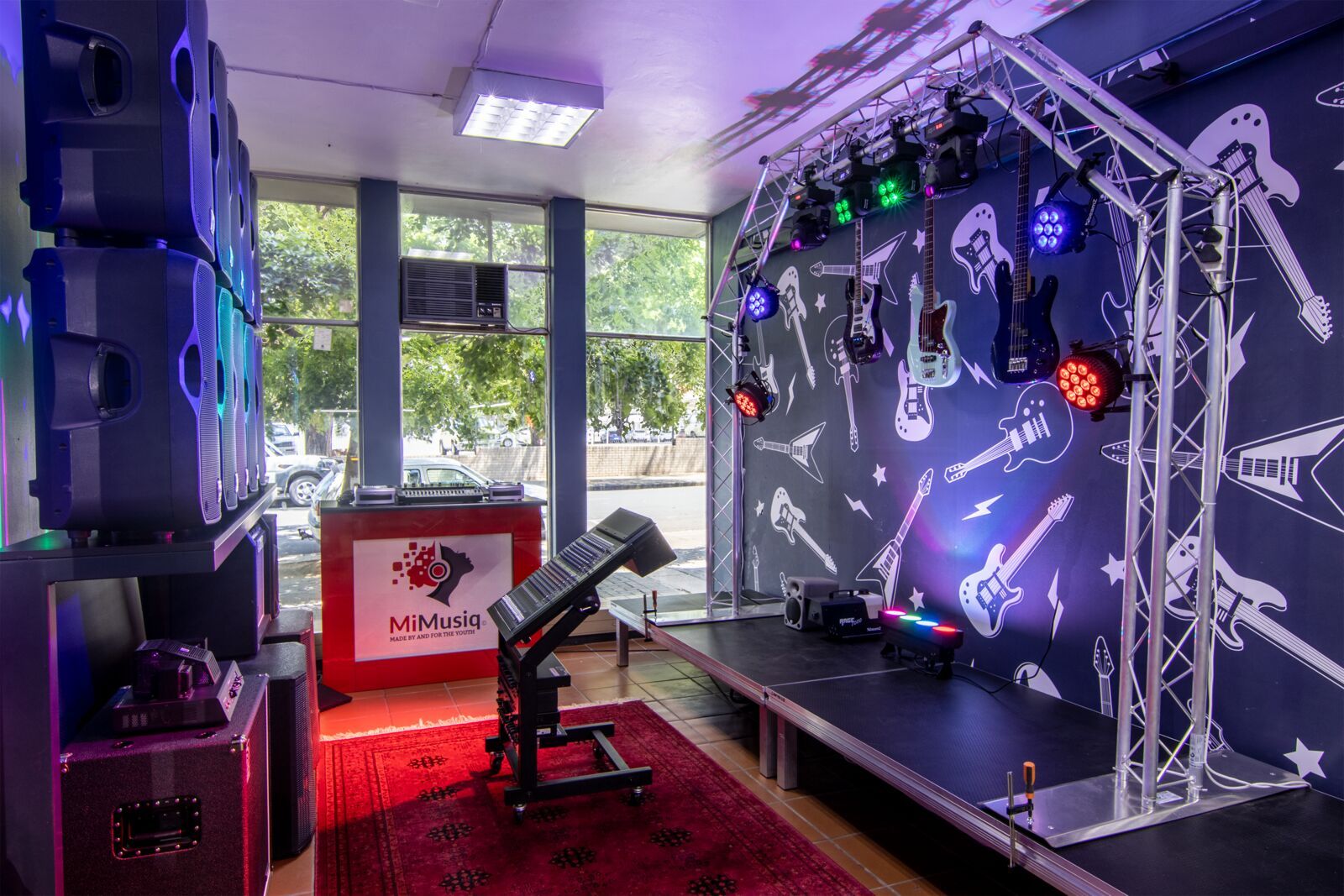
Every colour belongs to a real room. Every room exists to make something — records, broadcasts, films, live shows.
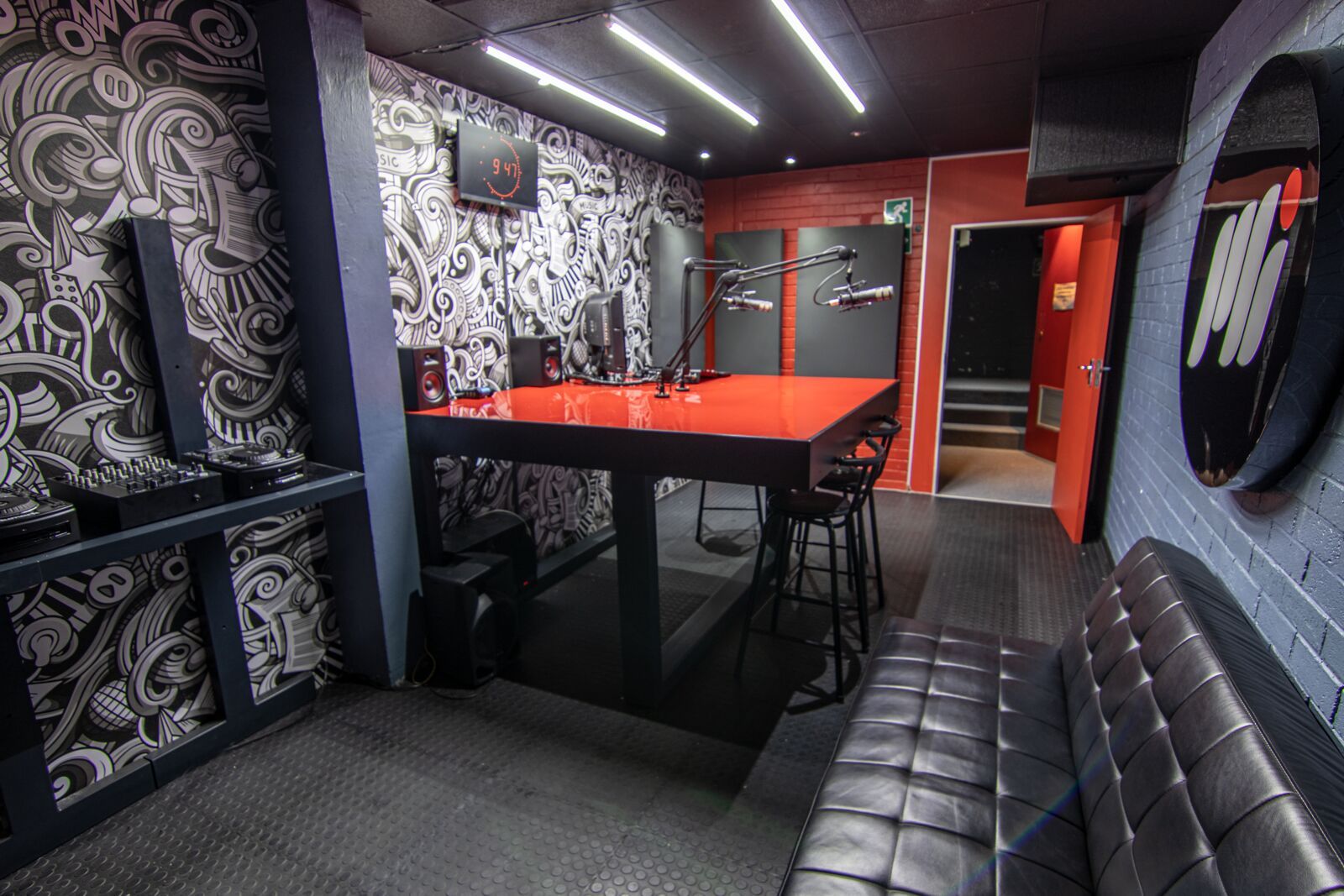
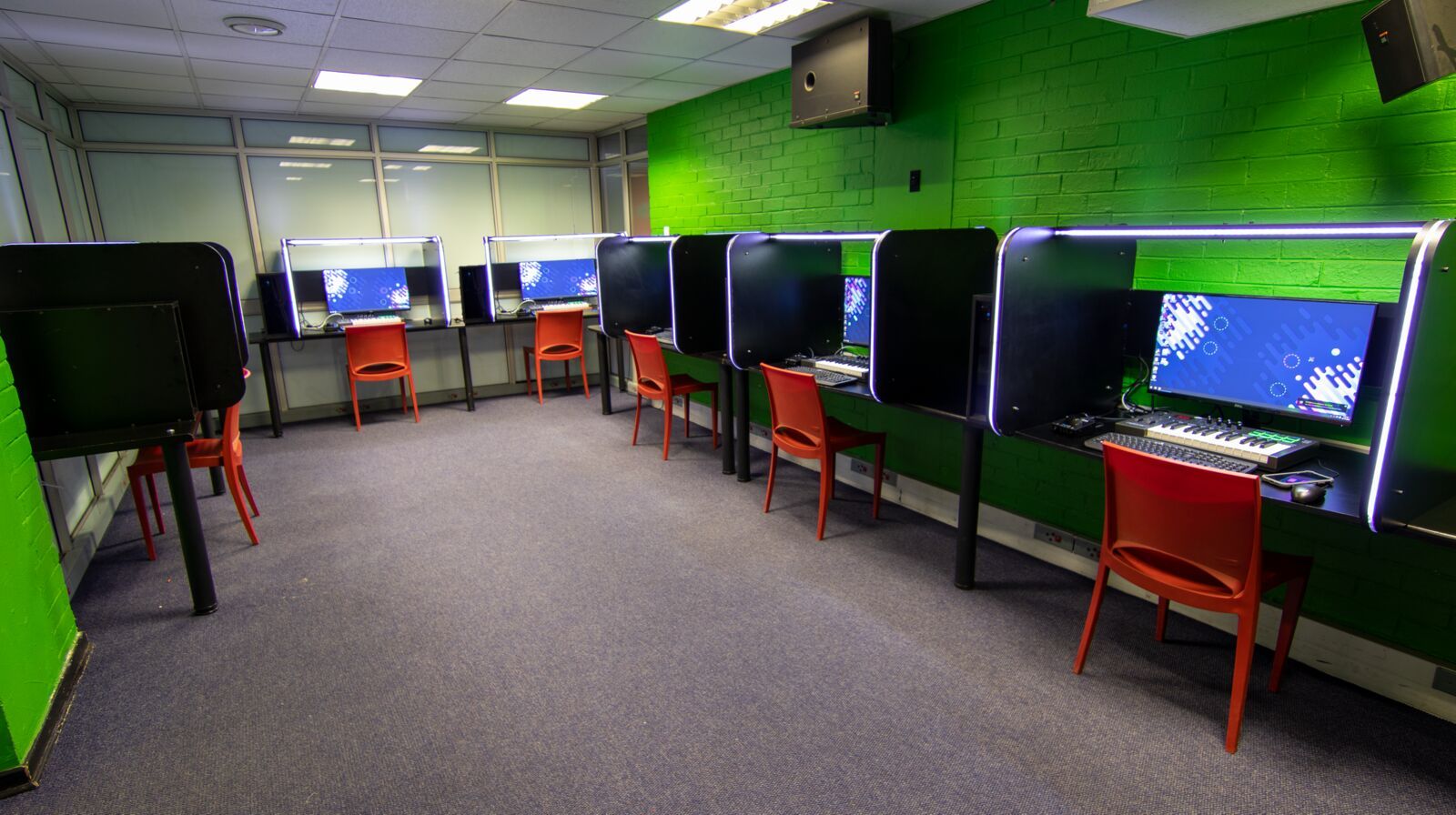
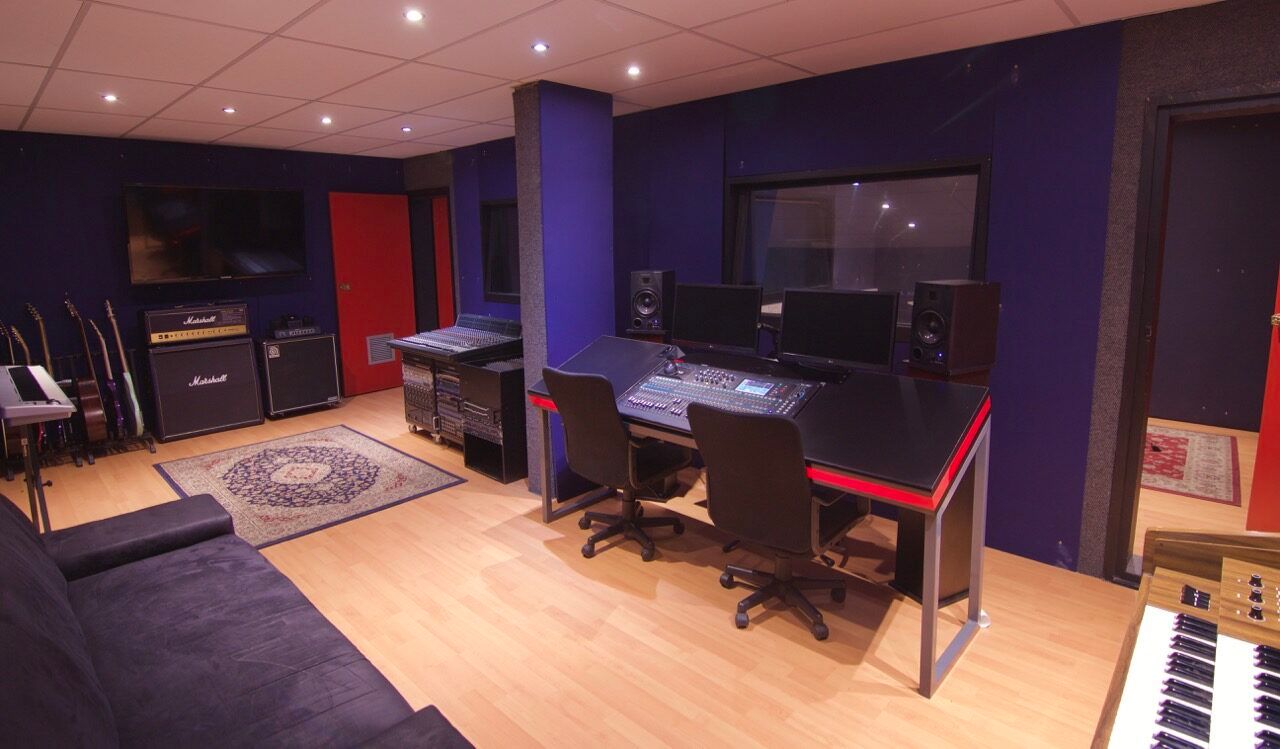
Real students in real sessions — photographed on campus, published with written consent on file for every frame.

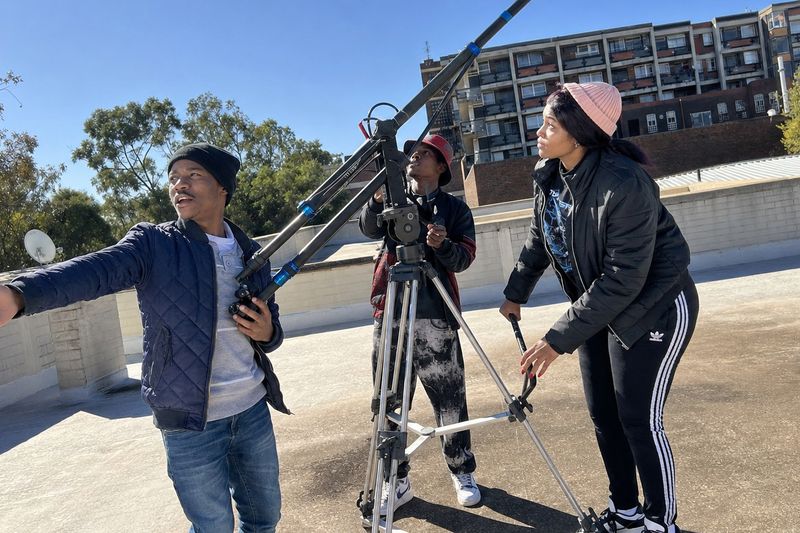
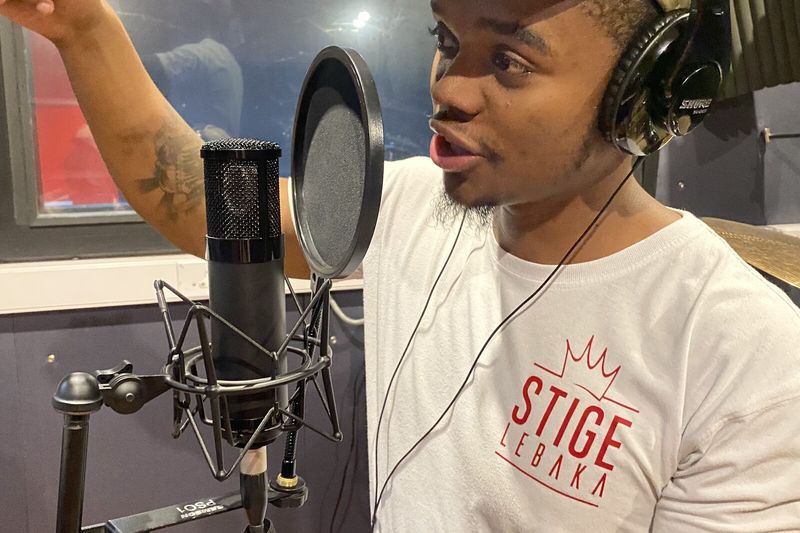
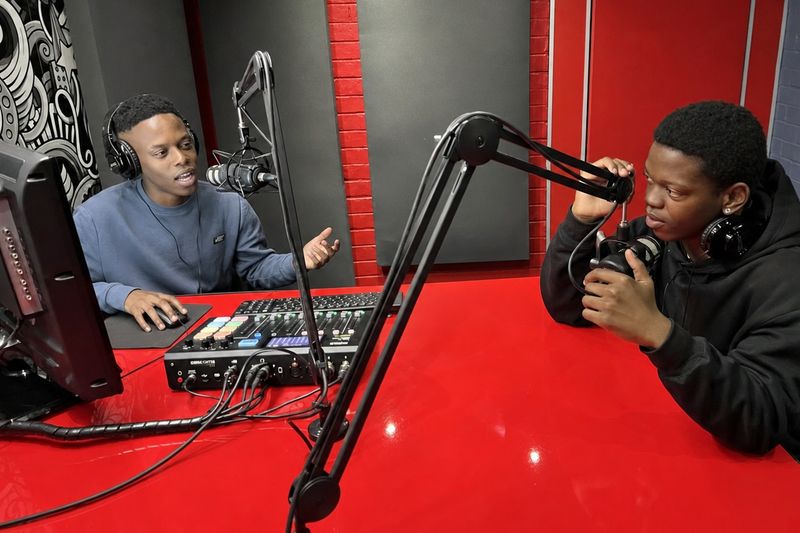
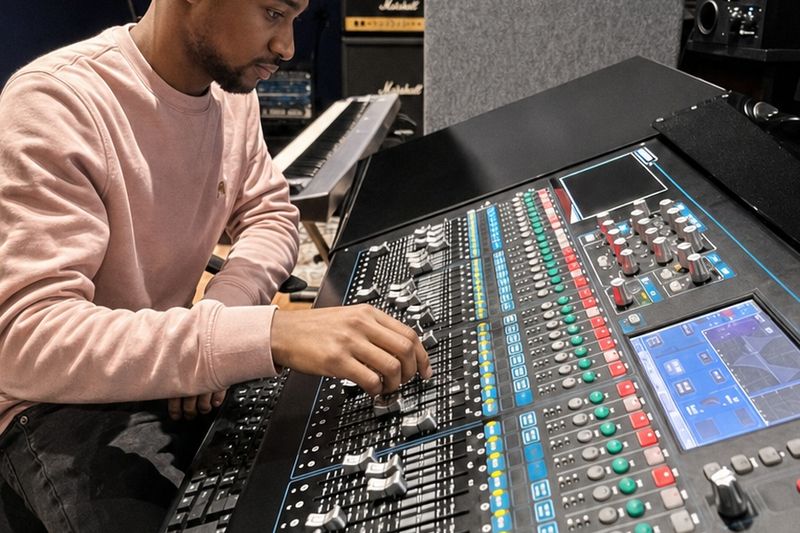
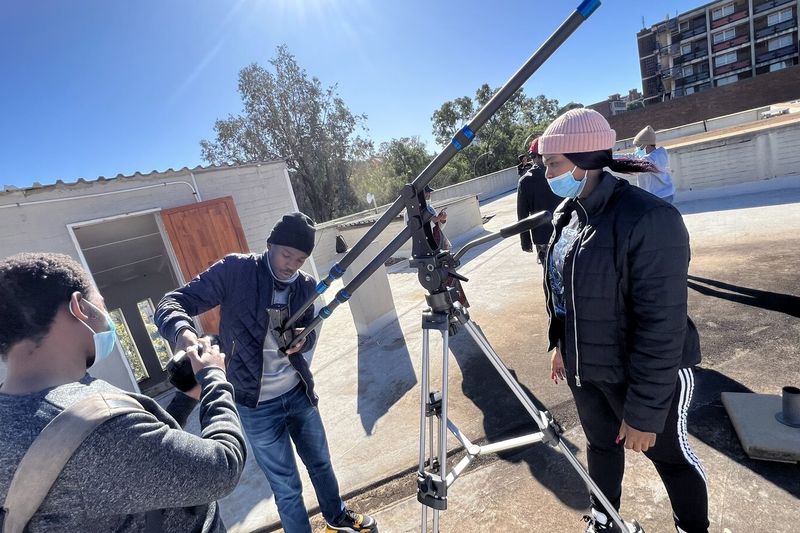
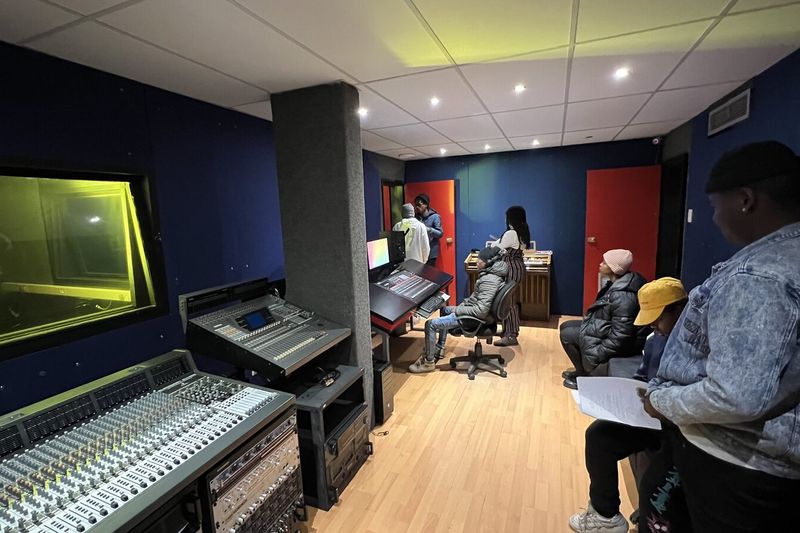
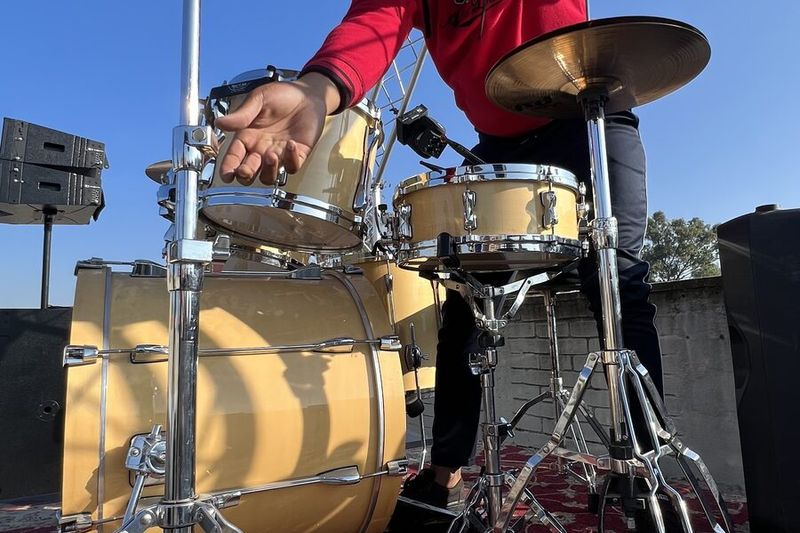
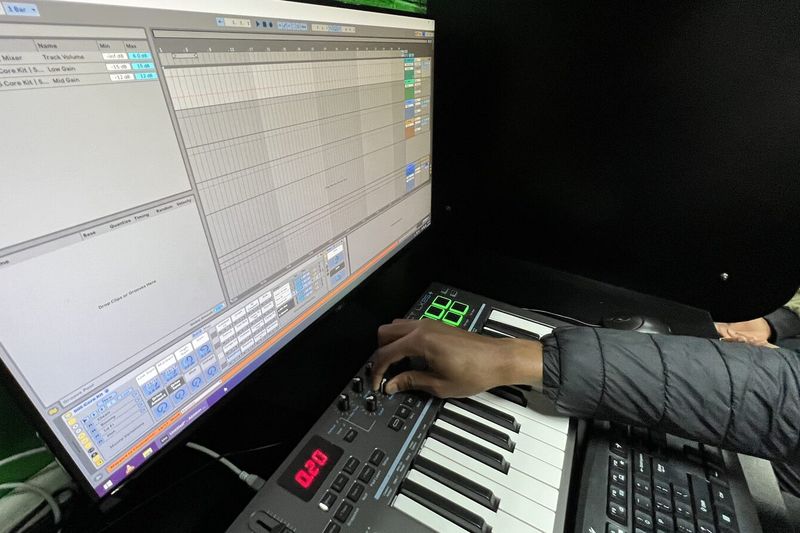
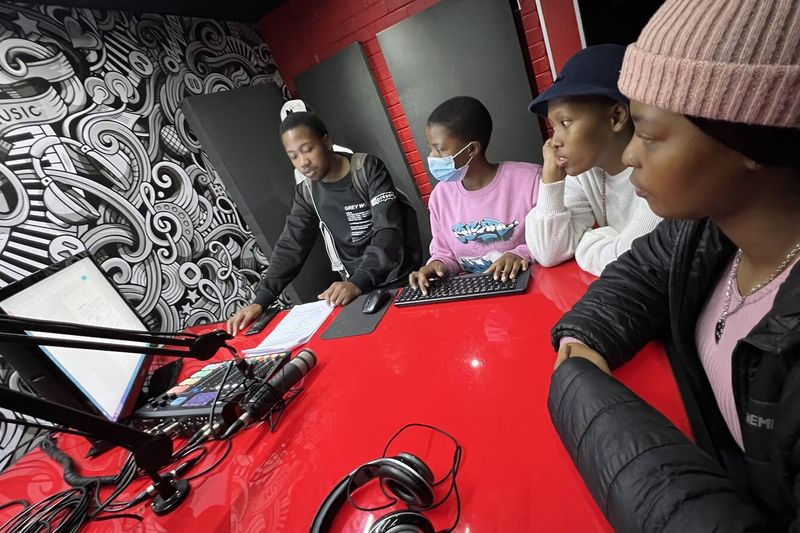
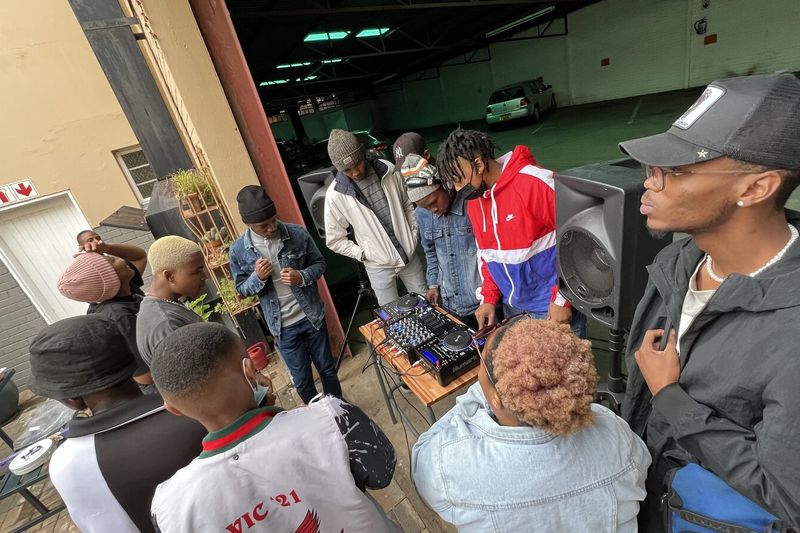
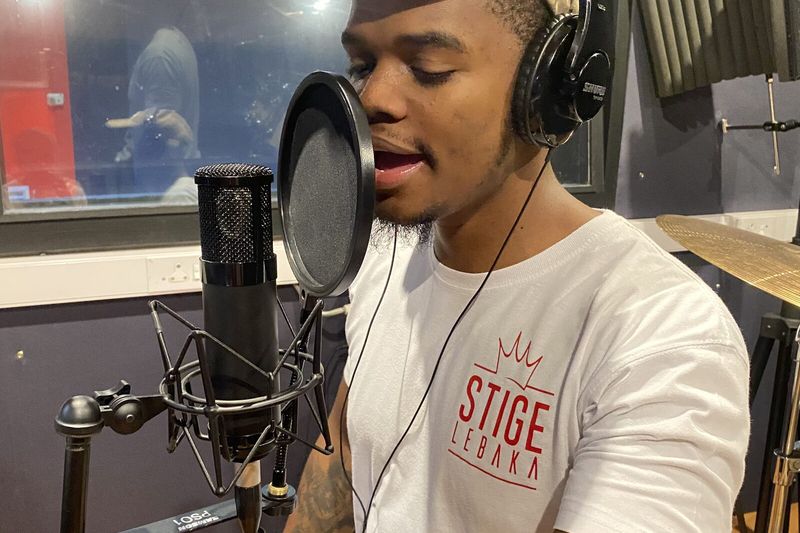
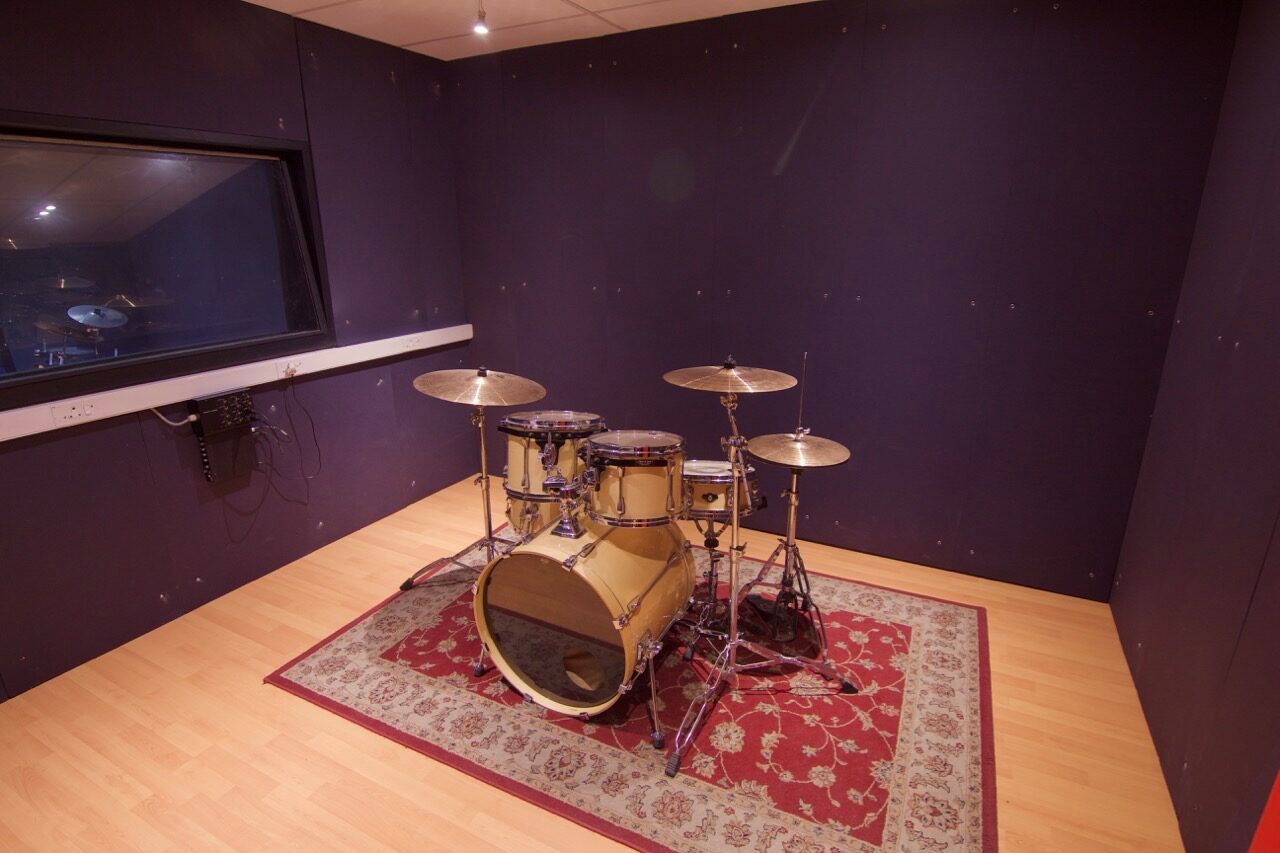
PASMA began as an in-house training programme at the SABC. Twenty years later, that industry discipline lives on in a dedicated campus where the Free State’s next generation of media professionals learns by making.
“Same industry standards. A new generation behind the desk.”
Creative education is a serious decision. We publish the real cost so you can make it with confidence.
Every fee schedule is published from a single audited source and stamped with its last review date. The complete structure — enrolment fee, instalments, workplace-block pricing, short courses — lives on the fees page.
The complete fee structure ↗Yes. It is a Higher Occupational Certificate at NQF level 5, quality-assured by the QCTO with MICTSETA as Assessment Quality Partner. The SAQA listing (ID 120748) is linked from this page — note the listing reference is being re-verified for the 2027 intake and is marked accordingly.
The final phase places you in a real workplace for 400 logged hours. Your Statement of Work Experience — the log of those hours — is required before you can sit the national EISA exam.
The External Integrated Summative Assessment is the national exit exam for occupational qualifications, set and quality-assured nationally. You write it after completing your knowledge, practical and workplace modules.
No. Training happens in PASMA's studios and production labs on industry-standard equipment. Many students choose to build a small home setup alongside, but it is not required.
Spaces are limited by studio capacity.
Start the conversation today.